Russell Davies

As disappointed as you are
About | Feed | Archive | Findings | This blog by email

golden egg

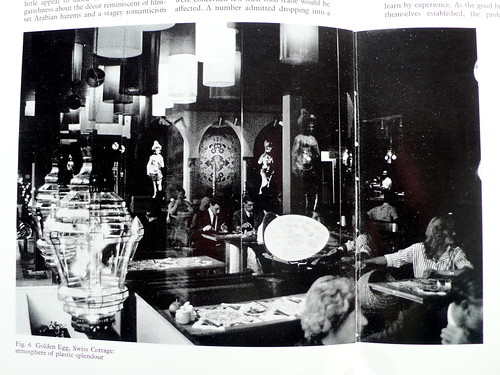
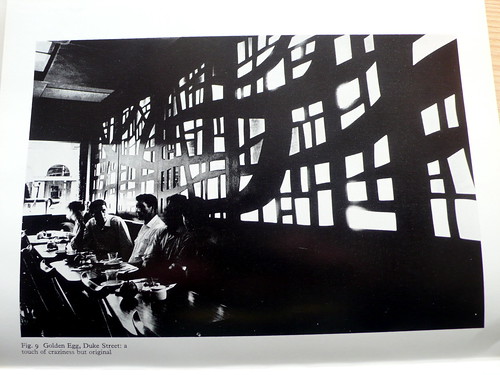
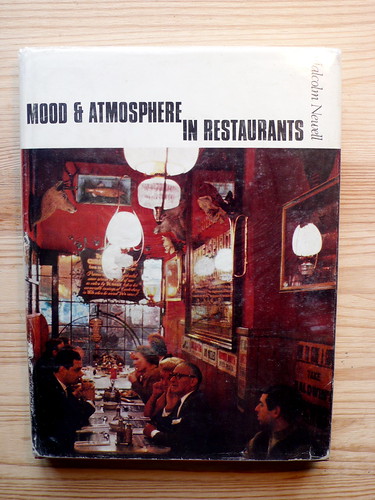
mood and atmosphere in restaurants

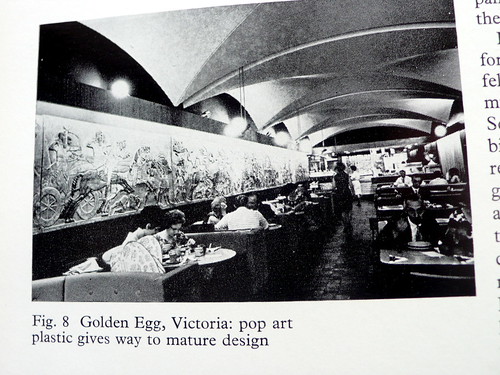
This book was one of my favourite finds when I was researching EBCB. (Yes, I did proper research. Didn't use much of it of course, it was mostly a way of postponing the actual writing, but still.) I was especially keen to find out about Golden Eggs, dimly remembered from my childhood.

mood and atmosphere in restaurants

mood and atmosphere in restaurants

mood and atmosphere in restaurants

I came across it again the other day and looked through these pictures. Would have liked to have seen one of these in their pomp. There's not much about Golden Egg online, but some of these pictures are gorgeous.

January 24, 2010 | Permalink | TrackBack (0)

data campaigning

Jobs Interactive Map - The Labour Party-1
 

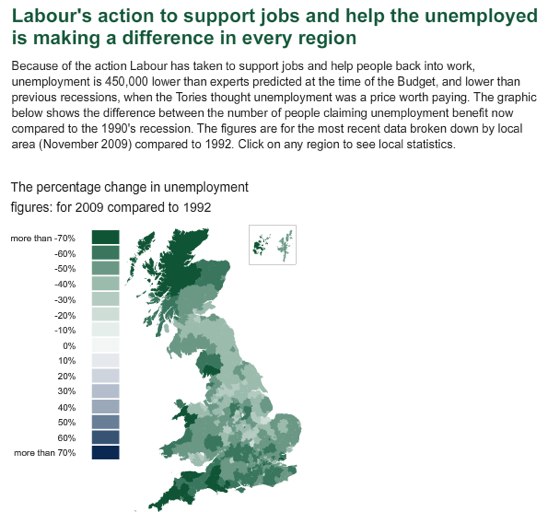
I mentioned that political power of data visualisation video a few days back. Seemed like an interesting thing. And I saw my first bit of dataviz in the current campaign this morning. Labour have done a nice little map showing the differences between unemployment now and the 1990s recession. (Hint: things are better now.) It's not the deepest dive into data you'll ever see but it's a promising start.

January 20, 2010 | Permalink | TrackBack (0)

scribbled power

I've recently been noticing my mild obsessions. Not in an obsessive way, obviously, just noticing what it is I notice. I don't seem to have many deep obsessions but I've got lots of longitudinal ones. Little things I don't pursue in any detail but which always spark my attention when I bump into them - and which have done for years. Pockets is one, Kinder Eggs is another, and collections, and notebooks, and carry systems and cheap watches and SW Radio. That sort of thing. Two incidents in the last few weeks have made me realise I have another - the marginalia of power.

The first I noticed was Churchill's habit of labeling memos and orders with stickers saying "Action This Day".

Then, when some of Thatcher's papers were released by the national archive I noticed she had a similar habit.

Then this article in the New Yorker pointed out that Deng Xiaoping did the same thing to a letter written to him by some of China's leading scientists:

"China must join the world’s xin jishu geming, the “new technological revolution,” they said, or it would be left behind. They called for an élite project devoted to technology ranging from biotech to space research. Deng agreed, and scribbled on the letter, “Action must be taken on this now.” This was China’s “Sputnik moment,” and the project was code-named the 863 Program, for the year and month of its birth."

I think I like this stuff for two reasons. This is how it feels like power should work. Dramatically. Like in a movie. A moment of decision, an incisive order and the world changes. In a West Wing-y way. So it's an appealing myth.

And secondly, it illustrates how limited the real levers of power are. Supposedly powerful people are fed memos and letters containing partial and limited information. That's how they see the world. Then they make sweeping statements which are entirely open to interpretation by the organisation 'below' them. Their actions are via other people. How many things to be Actioned Immediately never get actioned at all?

That's it really. Nothing significant. Just a little thing.

Anyway.

January 19, 2010 | Permalink | TrackBack (0)

first world problem

There's a twitter hash tag I quite like - #firstworldproblem or varients thereon. It does something to take the edge of a twitter complaint - acknowledging that these are the peculiar problems of an enormously lucky group of people living in a technologically enabled world.

And, though there's not really a complaint in this, I had something in that spirit happen yesterday. I was in the States and got an automated fraud prevention call from Visa. The robot lady talked me through authentication etc, with the occasional text-to-speech generated interjection for my name or date of birth. Then, as it ran through my transactions to make sure they were valid I found I had no clue what the first one was. Couldn't make it out at all. Then I finally decoded it - it was an English-trained robot trying to pronounce Le Pain Quotidien, and failing. That's a #firstworldproblem.

January 16, 2010 | Permalink | TrackBack (0)

hand me down a year on

JFK

I got the Hand Me Down bag just about a year ago. It's been good, it's worn nicely (the interior got grubby quickly but I didn't mind that too much) and it's been on its travels (though I've not updated the blog as often as I should have). I tried finding a cheap, low power way of letting it stream its location but haven't done so yet. Maybe that'll come in the second half of its life.

I won't say I haven't looked at other bags in the meantime, but turning it from product to project means I haven't thought seriously about replacing it. That seems good, a small win.

January 16, 2010 | Permalink | TrackBack (0)

the broken escalator phenomenon

escalator

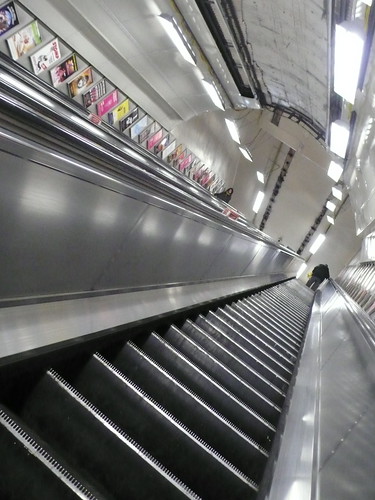
"We investigated the physiological basis of the 'broken escalator phenomenon', namely the sensation that when walking onto an escalator which is stationary one experiences an odd sensation of imbalance, despite full awareness that the escalator is not going to move...The findings represent a motor aftereffect of walking onto a moving platform that occurs despite full knowledge of the changing context. As such, it demonstrates dissociation between the declarative and procedural systems in the CNS. Since gait velocity was raised before foot-sled contact, the findings are at least partly explained by open-loop, predictive behaviour. A cautious strategy of limb stiffness was not responsible for the aftereffect, as revealed by no increase in muscle cocontraction."

A phenomenon for the analogy library.

January 12, 2010 | Permalink | TrackBack (0)

it's all gone F1

ferrari steering wheel

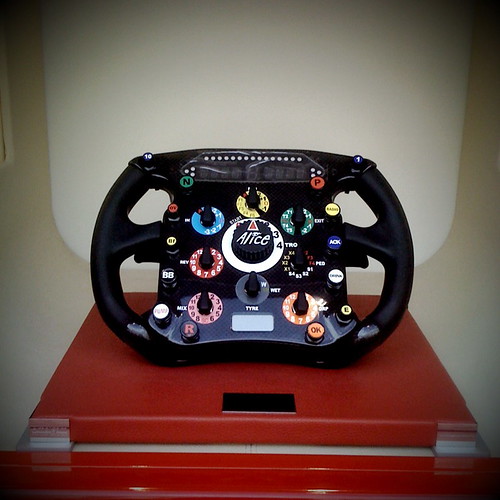
Kevin gave a great talk yesterday about High Frequency Trading. (Well, it was about lots of things but probably, mostly about High Frequency Trading.) And, afterwards, we were discussing the human role in all this. Obviously there's a human involved in designing the algorithms and presumably in setting some of the underlying trading assumptions. But the other role seems to be in deciding when to hit the kill switch. It seems these systems can trade effectively and profitably when things are 'normal' - but there are certain market effecting patterns only humans can recognise. Like there's a war coming or a big political scandal or something. When these things come up a human has to pull the plug. But, given that HFT means fortunes can be made or lost in microseconds, presumably there's a human v human edge in precisely when you slam on the brake. It's like F1 - the best drivers brake later and accelerate earlier. Made me wonder if they've got UIs and instruments designed for that. Big, red kill switches and the like.

(NB - I assume I've got all of the above wrong in some significant way. I know very little about either HFT or F1.)

January 12, 2010 | Permalink | TrackBack (0)

itp

ITP

Today I am here. If there's nothing to see you should definitely watch this.

January 11, 2010 | Permalink | TrackBack (0)

love mugs

love mugs

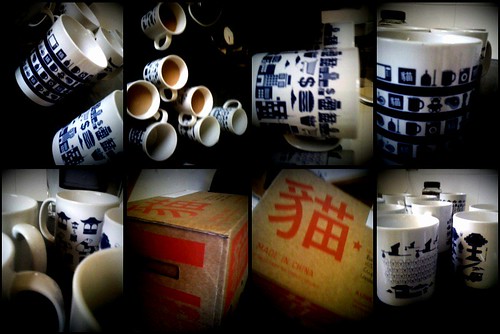
The splendid people of Love sent us these mugs for Christmas. Thanks splendid people of Love. They're splendid. Just right for the new office.

January 08, 2010 | Permalink | TrackBack (0)

datadecs

_FFD2817

One of the points of starting RIG was to actually try stuff out - not just think and blog about things. Specifically - 'post-digital' things. That means doing things for ourselves, things without a client or a business model, things that are 'recently possible'. Obviously we hope some of these experiments will turn into something more, but if we were certain they would then they wouldn't be experiments would they? We've been lucky so far; TOFHWOTI turned into Newspaper Club, but who knows this time?

We've been wanting to play with 3D printers and custom manufacturer for a while, but weren't sure where to start. We'd never seen them in action, weren't sure what we could do. We thought about it idly through 2009 but then Cory Doctorow started serialising Makers and we started thinking about it harder. Various posts from Anne pushed the thinking further. And we were still thinking about it when I went to Oslo in October and set them this brief:
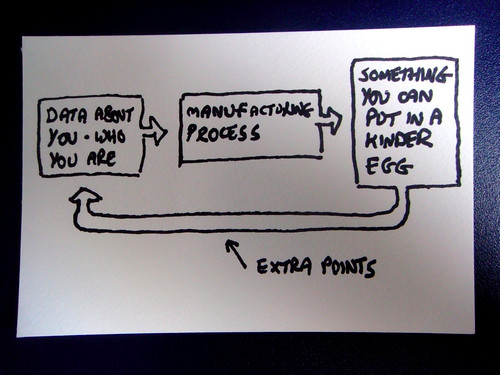
oslobrief.037

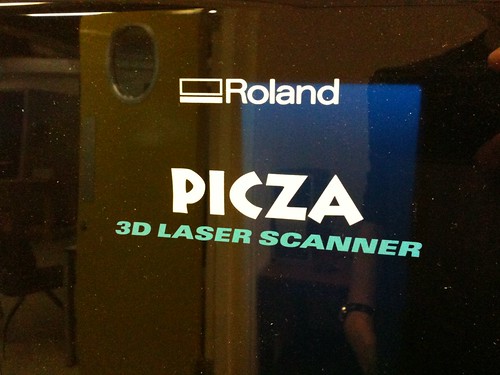
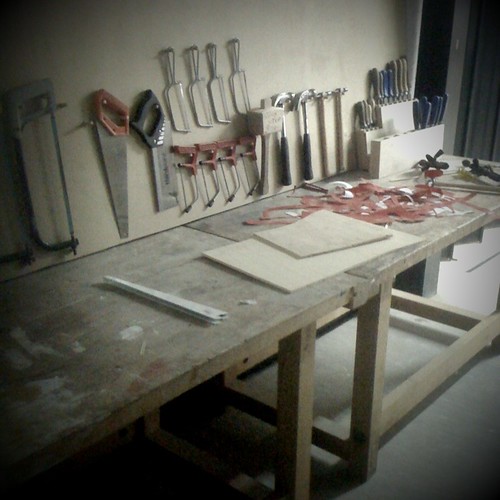
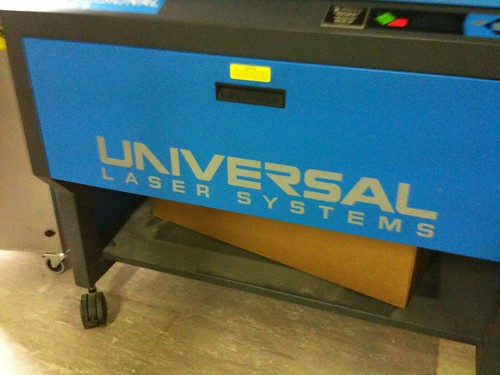
Inspired by that trip, we were thinking about it even more when we went to visit Ravensbourne and look at all their tools and machines:
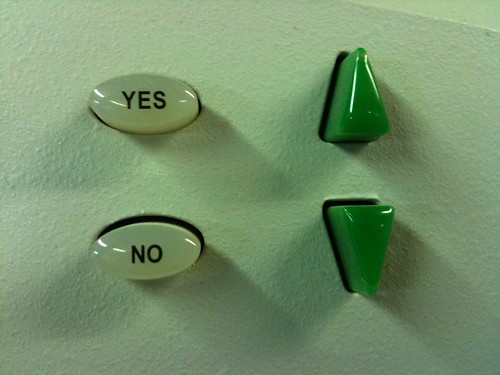
In the future you will be asked

UNIVERSAL LASER SYSTEMS

3D LASER SCANNER

tools

That was inspiring too. Made it clear what was possible and what wasn't. The only problem now was what the heck to make.
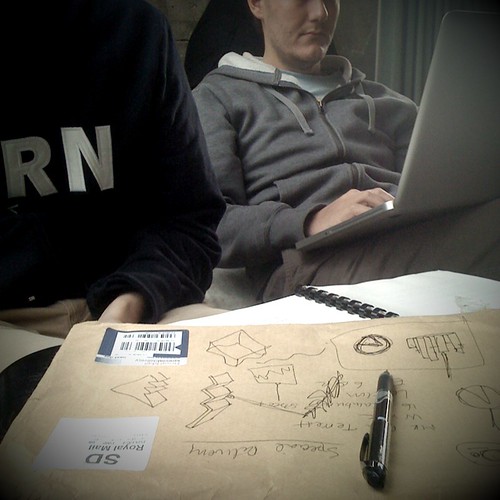
planning the next thing

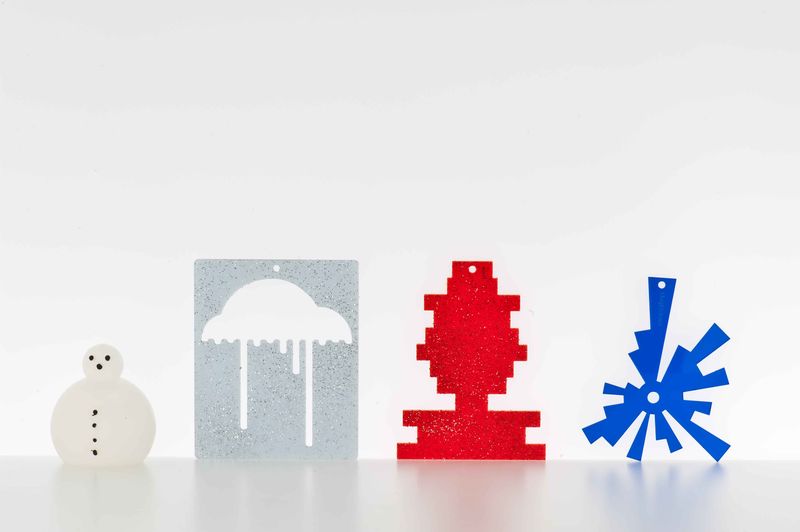
We solved that on October 16th. On the back of an envelope. Look, there it is. We wanted something that materialised individual data in a way that could systematised. We wanted something designed for display and we wanted something trivial, playful and unimportant. Something we could send to our friends. So we decided to make Christmas decorations based on social network data.Obviously.

There were only two problems - we'd immediately given ourselves timing issues with Christmas not being far away, and we had no idea how to actually do it. So we found a man who did know how to do it; the extraordinarily talented Mr Andy Huntington without whom none of this would have been possible.

Our first thought was to make them all with a 3D printer, but it soon became clear that would be too expensive and too slow. So we decided to do one with the 3D printer and three with laser-cut acrylic.

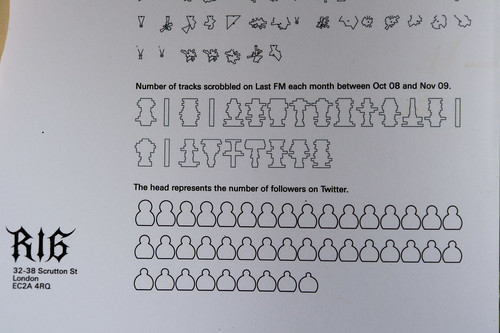
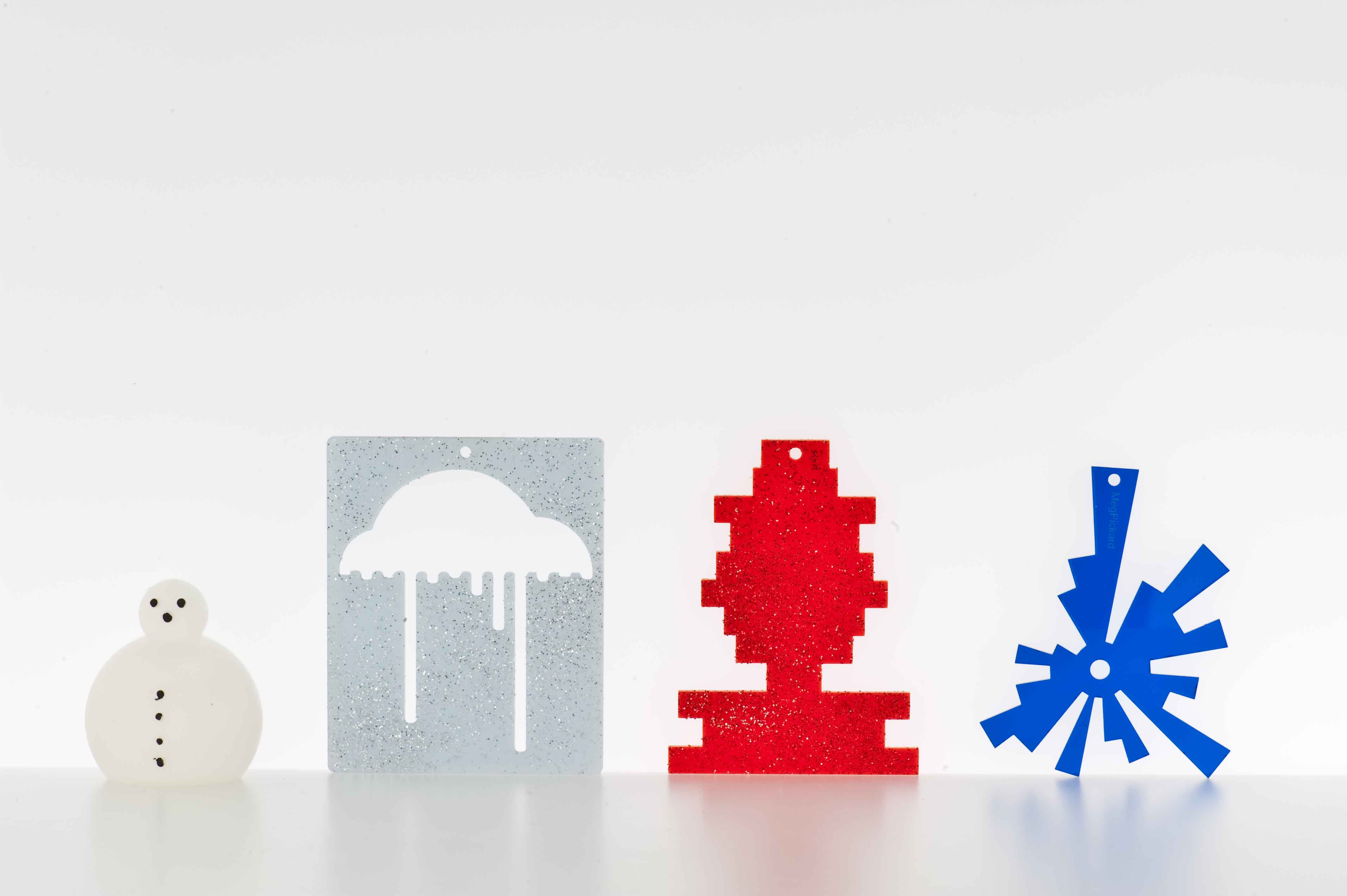
This was the first one we thought of, representing monthly scrobbles on Last.fm
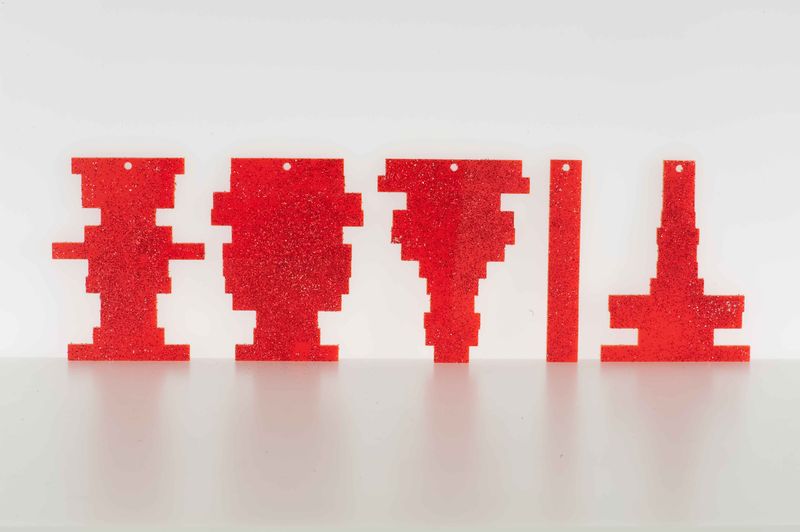
_FFD2764

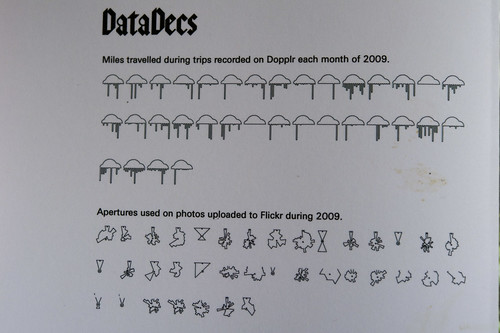
These represents miles travelled per month on Dopplr (initially the cloud size of the cloud was going to represent your annual carbon use but that proved to complicated)

_FFD2793

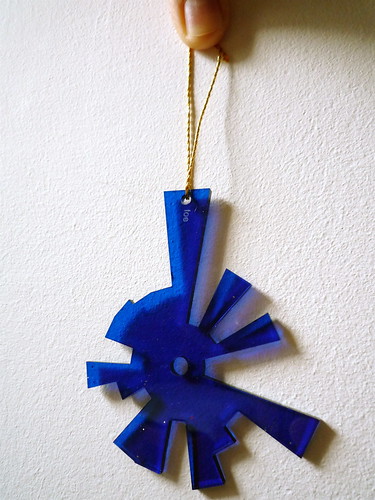
These blue ones represent the apertures you've used over the year on flickr:

Flickr

My Flickr datadec from RIG London

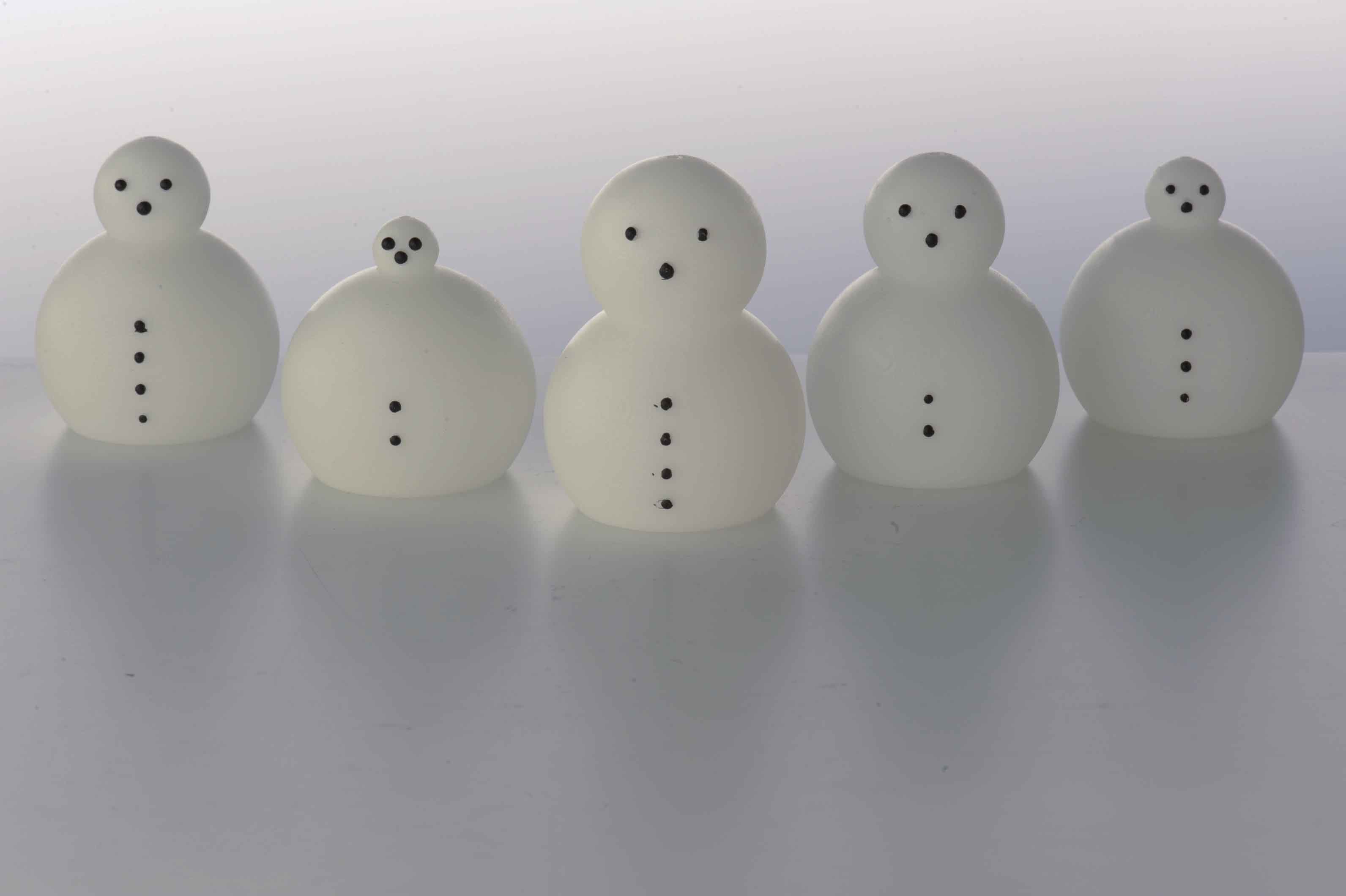
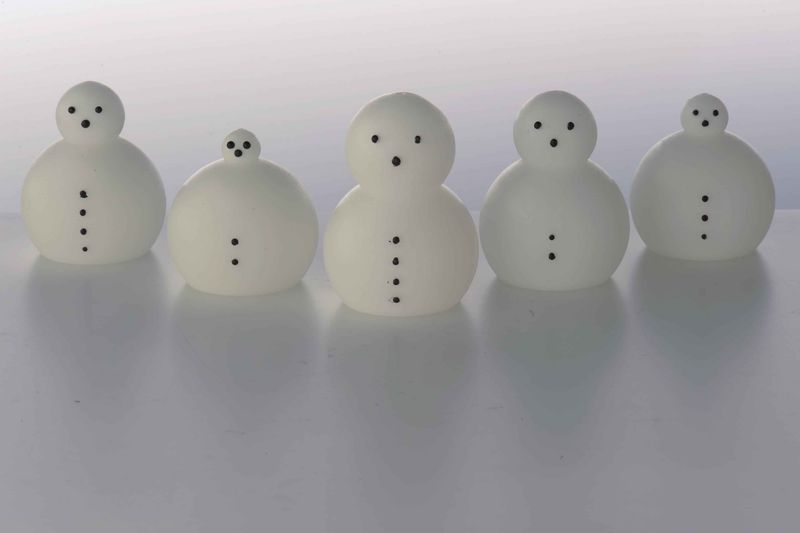
And these are the twitter snowmen. The bigger the head, the more followers you have:
_FFD2723 

(There's another datapoint hidden in there too, but no-one seems to have spotted that yet.) Getting the snowmen right was tricky. The data varied massively, from 10s of followers to 1,000s, but the heads still had to be recongnisable as heads - and not over-balance the whole object. Materialising data introduces a load of constraints on the design - you're suddenly working with the laws of physics as well as the boundaries of taste.

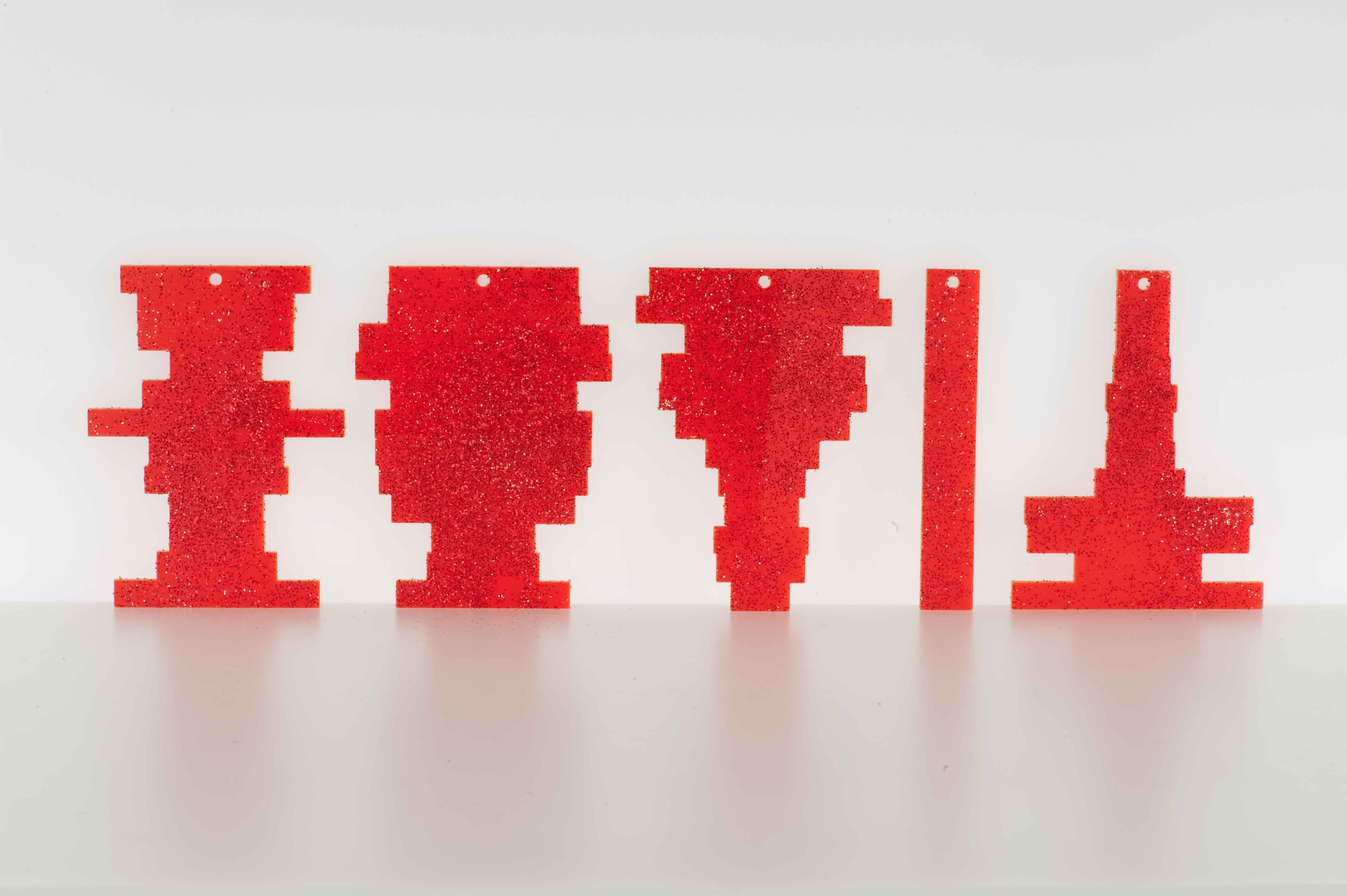
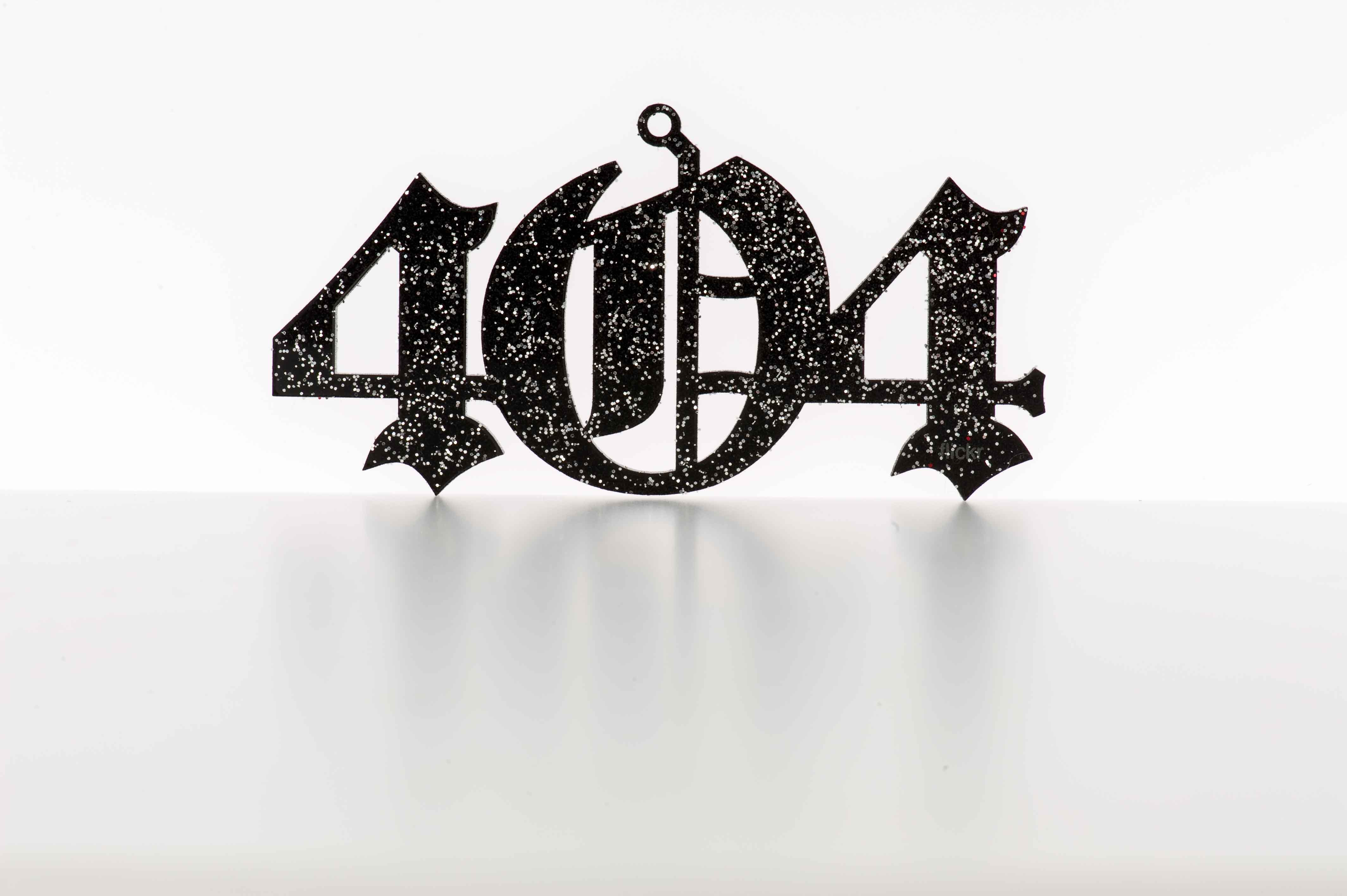
We realised we also needed something for when we couldn't find data, or when someone wasn't on a particular network, so we made this;
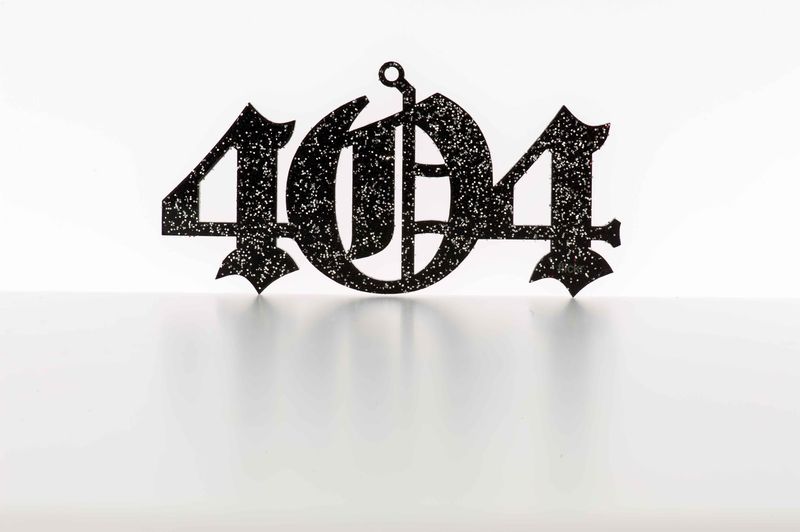
_FFD2824 

We went back and forth a while on how to make them, what they should look like, all that. Andy's written about that, and I bet Ben will shortly.

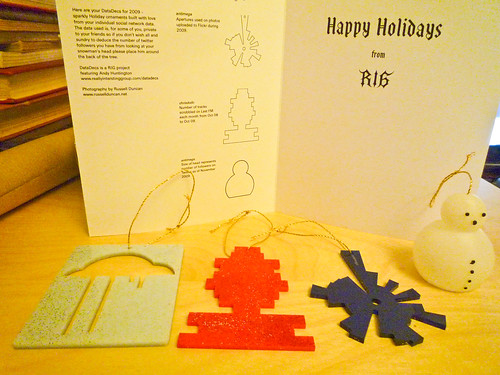
Once we got the prototypes back it started to be obvious that you could only tell what the objects 'meant' when you could see them alongside other people's. So we also made a card that showed you the context and the spread of shapes. This was the front cover:

_FFD2687 

The insides looked this:

a RIG lasercut Christmas

Wednesday December 23 09:25

Wednesday December 23 09:25

I think that might be my favourite bit.

We then spent a bit of time spraying on glitter, attaching the nice string, putting them in boxes and sending them to people. Those in the UK (mostly) got those before Christmas. Our international friends mostly didn't. Sorry about that. I think there are some still on the way.

And then it was incredibly nice to see them popping up on flickr and twitter (which seem to be emerging as the new best ways of saying thanks.) People seem to like them - and as ever are writing smarter things about them than we could have done ourselves - Beeker, Julian, David, Anne, Iain.

And I think that's about it. It was fun. I think we learned by doing. And I think we have some interesting ideas about how to apply what we've learned. But more of that another time.

Anyway. 

(Thanks to Russell Duncan, and various flickr friends for the pictures)
January 07, 2010 | Permalink | TrackBack (0)

« Previous | Next »